
What Is an Electric Vehicle?
An Electric Vehicle (EV) is a car that runs fully or partially on electricity instead of petrol or diesel. Instead of using a traditional internal combustion engine (ICE), EVs use electric motors powered by rechargeable batteries.
In practical terms, an EV is a car you plug in to charge, rather than queue up to refuel.
Imagine driving through Lagos traffic in near silence, no engine vibrations, no exhaust fumes, just smooth acceleration and clean energy powering your journey. That’s the EV experience..
How Do Electric Vehicles Work?
At the core of every EV is a high-capacity lithium-ion battery pack. This battery stores electricity and sends power to an electric motor that turns the wheels.
Here’s a simple breakdown:
- You plug the vehicle into a charging station.
- The battery stores electrical energy.
- When you press the accelerator, electricity flows to the motor.
- The motor drives the wheels instantly and smoothly.
Unlike petrol engines that build power gradually, electric motors deliver instant torque, meaning faster response and smoother acceleration.
Visually, think of an EV as a large smartphone on wheels:
You charge it overnight, unplug in the morning, and drive all day.
Types of Electric Vehicles
Understanding the types of EVs helps you choose what suits your lifestyle in Nigeria.
1. Battery Electric Vehicles (BEVs)
- No fuel tank
- Fully electric
- No exhaust pipe
- Requires charging via an electric vehicle charger in Nigeria
Examples: Tesla Model 3, Nissan Leaf
These are the most advanced and environmentally friendly options.
Plug-in Hybrid Electric Vehicles (PHEVs)
2. Plug-in Hybrid Electric Vehicles (PHEVs)
- Combination of electric motor and fuel engine
- Can be plugged in to charge
- Switches to fuel when battery runs low
Examples: Toyota Prius Plug-in, BMW 330e
Ideal for those transitioning gradually to electric mobility.
3. Hybrid Electric Vehicles (HEVs)
- Self-charging hybrid
- Cannot be plugged in
- Uses fuel and regenerative braking
Example: Toyota Camry Hybrid
For full electric performance and maximum environmental benefits, BEVs remain the top choice.
Why Electric Vehicles Are Gaining Popularity in Nigeria
Nigeria is experiencing rising fuel prices, increasing environmental awareness, and growing urban congestion. EVs provide practical solutions.
1. Lower Running Costs
- No oil changes
- No spark plugs
- Less mechanical wear
This reduces maintenance costs significantly.
2.Cleaner Air, Healthier Cities
EVs produce zero tailpipe emissions. In busy cities like Lagos and Abuja, widespread adoption could reduce air pollution and improve public health.
Picture clearer skies over Victoria Island — fewer fumes, quieter streets, cleaner air.
3. Energy Independence
With EVs, you are less exposed to fuel scarcity or price volatility. You charge at home, at work, or at public stations.
Where to Find an Electric Vehicle Charger in Nigeria
One major question new EV owners ask is:
“Where can I find an electric vehicle charger in Nigeria?”
Charging infrastructure is expanding rapidly. Chargers can now be found:
- At shopping malls
- Fuel stations transitioning to EV infrastructure
- Office complexes
- Residential estates
- Dedicated EV charging hubs
You can also install a home EV charger, allowing you to wake up to a fully charged vehicle every morning.
To make this easier, platforms like Lumen Charge help drivers:
- Locate the nearest electric vehicle charger in Nigeria within minutes
- Track charging availability
- Book installation services for home or commercial charging
- Manage EV maintenance schedules
Instead of driving around searching for power, you simply open an app and navigate directly to a charging point.
User experience is not a “set it and forget it” activity. As your users evolve, your design must adapt. A UX review is a powerful way to ensure your product remains intuitive, accessible, and delightful.
What Does Charging an EV Look Like?
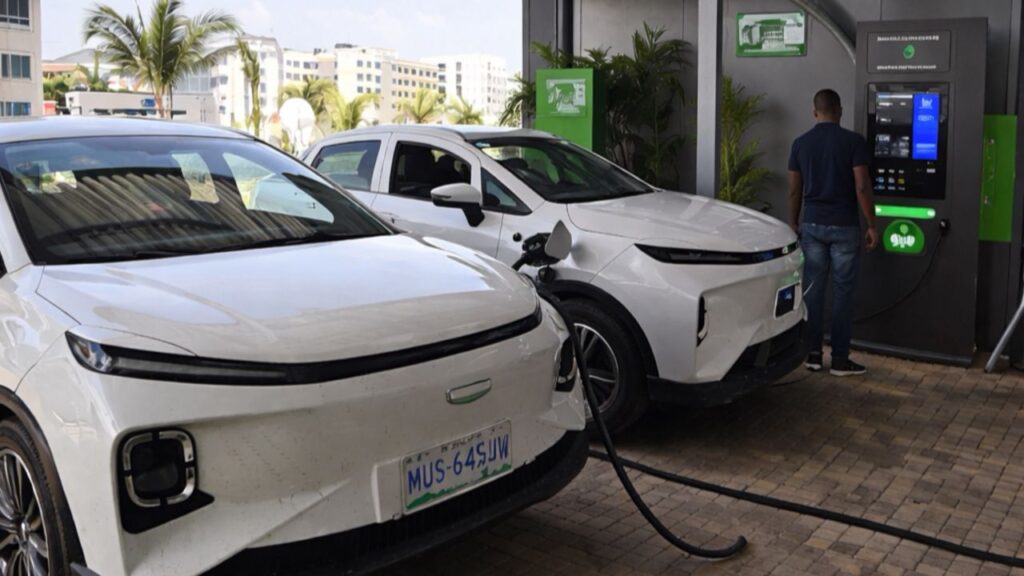
Imagine pulling into a modern charging station. Instead of fuel pumps, you see sleek charging pillars with digital screens and LED indicators. You:
- Park.
- Plug in.
- Monitor charging progress from your phone.
- Unplug and continue your journey.
No fuel smell. No engine noise. Just clean, efficient energy transfer.
Is Nigeria Ready for Electric Vehicles?
While EV adoption in Nigeria is still growing, several factors indicate strong future potential:
- Increased importation of EV models
- Private sector investment in charging infrastructure
- Growing awareness among fleet operators and ride-sharing drivers
- Rising fuel costs pushing demand for alternatives
With the right infrastructure and digital support systems, EVs are positioned to become a major part of Nigeria’s transportation future.
The Future of Transportation Is Electric
Electric vehicles are not just a global trend, they represent a long-term shift in mobility.
Understanding what an electric vehicle is and knowing where to find an electric vehicle charger in Nigeria are the first steps toward joining this movement.
As charging networks expand and technology improves, EV ownership will become even more accessible, affordable, and convenient.
If you’re considering making the switch, platforms like Lumen Charge simplify the process, helping you stay charged, informed, and ready for the future.
The road ahead is quiet, clean, and electric. Are you ready to plug in?