
Electric mobility is gradually embedding itself within Nigeria’s transport ecosystem. Early adopters in metropolitan hubs are proving that battery powered vehicles are not a distant concept but a present reality. Still, one persistent question dominates public discourse: what does it truly cost to charge an electric vehicle in Nigeria?
The answer is nuanced. Charging expenses are shaped by tariff structures, infrastructure maturity, energy reliability, and driving behavior. Unlike petrol, where pricing is visibly displayed at every station, electricity costs require a more analytical approach. Understanding these layers is indispensable before making an investment decision.
The Core Factors That Influence EV Charging Costs
- Electricity Tariffs and Distribution Companies
Nigeria operates a band based tariff system that directly influences electricity pricing. Customers are categorized based on supply reliability, with higher bands paying premium rates.
For EV owners, this classification significantly affects charging expenses. A household receiving stable supply may pay more per kilowatt hour than one with intermittent service. Consequently, the same vehicle could cost different amounts to charge depending solely on geographic placement and distribution company policies.
Electricity pricing in Nigeria is dynamic. Tariff reviews and regulatory adjustments can alter cost projections over time.
- Charging Location Home vs Public Infrastructure
Charging at home is typically the most economical pathway. It eliminates third party margins and infrastructure premiums. The vehicle is replenished overnight, often at lower marginal cost.
Public charging stations, on the other hand, incorporate operational expenses. Equipment acquisition, land leasing, transformer upgrades, software systems, and maintenance contracts must be recouped. These factors introduce a markup.
Convenience carries a price. Accessibility commands a premium.
- Battery Capacity and Vehicle Efficiency
Battery size determines how much electricity a vehicle consumes during a full charge cycle. A compact 40 kWh model requires less energy than a luxury SUV equipped with a 90 kWh battery pack.
Efficiency compounds this dynamic. Vehicles with superior energy consumption metrics, regenerative braking systems, and optimized aerodynamics travel farther per kilowatt hour. The more efficient the vehicle, the lower the cost per kilometer.
Energy density and drivetrain calibration quietly shape long term expenditure.
- Charging Speed and Energy Losses
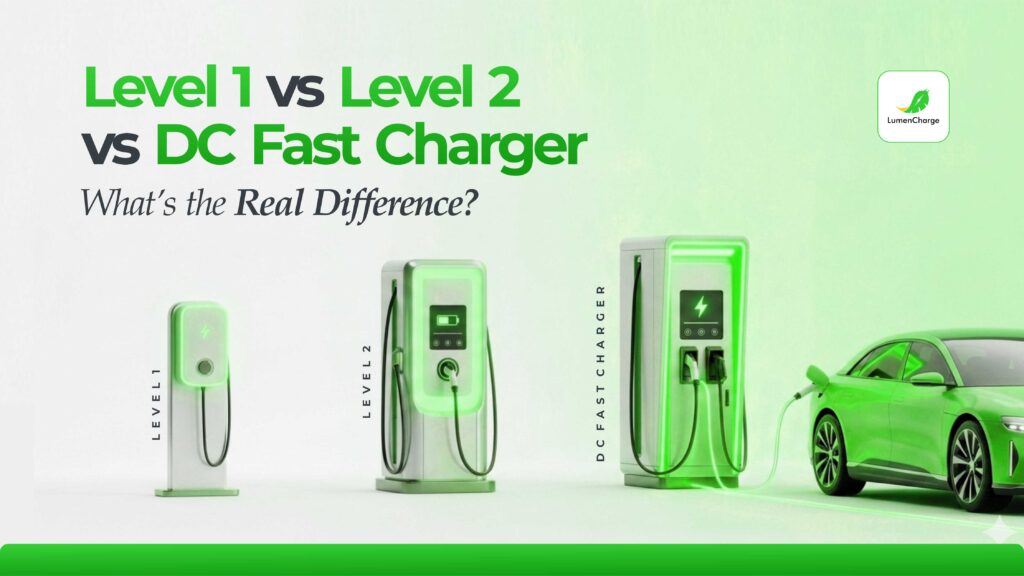
Fast charging introduces higher cost structures. Direct current rapid chargers demand significant grid input and sophisticated hardware.
Additionally, minor energy losses occur during conversion processes. Although often overlooked, these inefficiencies accumulate over extended usage periods.
Slow charging is economical but time intensive. Rapid charging is expedient but financially weightier.
Home Charging Costs in Nigeria
- Average Residential Electricity Rates
Residential electricity rates vary considerably across tariff bands. To estimate cost, multiply the vehicle’s battery capacity by the applicable rate per kilowatt hour.
For example, charging a 60 kWh battery at a moderate tariff level results in a calculable total. If the vehicle delivers approximately 400 kilometers per full charge, the cost per kilometer becomes noticeably competitive when compared to petrol.
The arithmetic frequently favors electricity.
- Generator and Alternative Power Considerations
Due to grid instability, some households rely on generators. Charging an EV using petrol or diesel generators is economically inefficient and environmentally contradictory.
Fuel powered generation introduces additional conversion losses and higher per unit energy cost. It erodes the financial rationale for electric mobility.
Grid electricity remains the most viable conventional charging source.
- Solar Integration and Hybrid Energy Systems
Solar energy introduces a transformative alternative. Rooftop photovoltaic installations paired with battery storage allow partial or complete off grid charging.
While the upfront capital requirement is substantial, long term operational savings can be significant. Solar mitigates exposure to tariff volatility and fuel inflation.
Harnessed sunlight becomes a long term strategic asset.
- Installation Cost of Home Charging Equipment
Installing a dedicated home charger may require electrical panel upgrades, protective breakers, and specialized wiring. These are typically one time expenditures.
When amortized over several years of vehicle ownership, the effective per charge cost decreases materially.
Public Charging Costs Across Nigerian Cities
- Pricing Models Used by Charging Operators
Public charging networks commonly adopt per kilowatt hour pricing, time based billing, or session based fees.
Per kilowatt hour billing offers transparency. Time based pricing can disadvantage vehicles with slower charging rates. Session fees provide simplicity but may lack proportional fairness.
Understanding the billing architecture prevents unpleasant surprises.
- Fast Charging Premiums
Rapid charging stations command elevated pricing due to infrastructure complexity and grid demand charges.
However, for commercial operators, time efficiency can offset higher energy costs. Faster charging translates to higher productivity.
- Urban vs Emerging EV Corridors
Major cities such as Lagos and Abuja benefit from relatively stronger infrastructure. Competition may gradually moderate pricing.
Emerging corridors, constrained by limited installations, may exhibit higher cost structures due to logistical and operational constraints.
Comparing EV Charging Costs to Petrol and Diesel in Nigeria
- Cost Per Kilometer Analysis
To compare fairly, calculate cost per kilometer. Divide total charging cost by the distance achieved per full charge.
In many scenarios, electricity delivers a lower per kilometer expense than petrol, particularly during periods of fuel price escalation.
- Monthly Commuter Cost Comparison
For daily commuters, monthly electricity expenditure for charging can be substantially lower than petrol consumption for similar mileage.
The cumulative savings over twelve months become financially persuasive.
- Long Term Total Cost of Ownership
Although electric vehicles often have higher upfront acquisition costs, reduced fueling and maintenance expenses narrow the gap over time.
Lower mechanical complexity translates to fewer service interventions. Over a five to ten year horizon, the financial proposition strengthens.
Hidden and Indirect Costs
- Infrastructure Limitations
Limited public charging availability may necessitate route planning. Waiting time represents an intangible opportunity cost.
Infrastructure maturity influences convenience and efficiency.
- Maintenance and Software Costs
While EVs eliminate oil changes and many mechanical components, software updates and system diagnostics may introduce minor recurring costs.
These are typically modest but should be acknowledged.
- Battery Degradation Over Time
Battery capacity gradually diminishes with usage cycles. Though warranties often provide long term coverage, reduced range may increase charging frequency in later years.
Degradation is incremental, not abrupt.
How to Accurately Calculate Your Personal Charging Cost
- Practical Cost Calculation Formula
Multiply your battery capacity in kilowatt hours by your electricity rate per kilowatt hour. Add approximately ten percent to account for charging inefficiency.
Divide the total by the vehicle’s average range per full charge to determine cost per kilometer.
- Real World Example for a Nigerian Driver
If a 60 kWh vehicle is charged under a specific residential tariff, the total charge cost can be computed directly.
If the vehicle travels 400 kilometers per full charge, dividing total cost by 400 yields the per kilometer expense. This figure allows a direct comparison with petrol consumption metrics.
Clarity emerges from calculation.
Strategies to Reduce EV Charging Expenses in Nigeria
- Leveraging Off Peak Charging
Charging during off peak periods, where available, reduces exposure to premium tariffs.
Timing becomes a financial lever.
- Combining Solar with Grid Supply
Hybrid energy systems allow daytime solar charging and nighttime grid supplementation.
Diversified energy sourcing mitigates cost volatility.
- Utilizing Workplace and Destination Charging
Some offices, retail centers, and hospitality venues offer complimentary or subsidized charging.
Strategic utilization lowers household electricity expenditure.
The Future Outlook of EV Charging Costs in Nigeria
- Energy Market Reforms and Tariff Adjustments
Ongoing reforms within the electricity sector may recalibrate pricing structures. Enhanced generation capacity and improved transmission efficiency could stabilize tariffs.
Policy direction will influence affordability.
- Expansion of Charging Networks
As more charging stations are deployed, competitive pressures may compress pricing margins.
Scale typically improves efficiency.
- The Role of Private Investment and Innovation
Private capital inflow and technological innovation are accelerating Nigeria’s EV ecosystem. Infrastructure optimization and smart grid integration may further reduce long term costs.
Electric vehicle charging in Nigeria is neither uniformly cheap nor prohibitively expensive. It is contingent. It is evolving. It is increasingly viable.
For informed consumers, the numbers often reveal a compelling economic narrative